
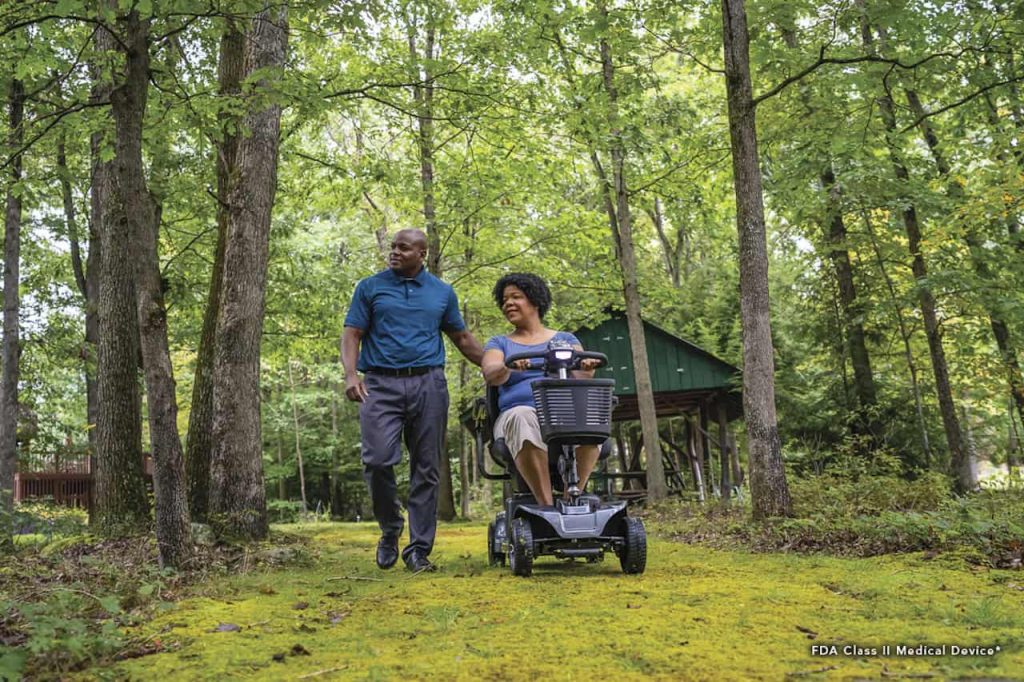
Many mobility devices may qualify for HSA or FSA funds when medically necessary, helping reduce out-of-pocket costs for equipment and accessibility needs. Understanding how these accounts work can make it easier to plan for mobility-related expenses and choose solutions that support safety, independence, and daily comfort.
Understanding How HSA and FSA Funds Can Be Used for Mobility Needs
Health Savings Accounts (HSAs) and Flexible Spending Accounts (FSAs) allow individuals to set aside pre-tax dollars for qualified medical expenses. These funds can often be used for mobility equipment when the equipment is intended to address a medical condition, injury, disability, or mobility limitation.
For many seniors, individuals with disabilities, and family caregivers, HSA and FSA funds can help reduce the financial burden of purchasing essential mobility products. Because eligibility requirements can vary between plans, it is important to understand that medical necessity often plays a key role in determining whether a purchase qualifies.
While certain products may be commonly approved, the final determination is typically made by your plan administrator based on documentation and plan guidelines.
What Types of Mobility Equipment May Qualify?
Many mobility products are designed to improve a person’s ability to move safely and independently. When prescribed or recommended for a medical need, these items may be eligible for HSA or FSA reimbursement.
Mobility Scooters
Mobility scooters are often used by individuals who can sit upright but have difficulty walking long distances due to medical conditions, chronic pain, or reduced endurance. Depending on your specific circumstances and plan requirements, a mobility scooter may qualify as a medical expense.
Documentation from a healthcare provider may be required to demonstrate that the scooter is being used to address a mobility limitation rather than for general convenience.
Power Wheelchairs
Power wheelchairs are frequently prescribed for individuals with significant mobility challenges who cannot safely operate a manual wheelchair or walk independently. Because these devices serve a clear medical purpose, they are commonly considered eligible medical equipment when supported by appropriate documentation.
Power wheelchairs can provide greater independence while reducing the physical strain associated with daily movement.
Manual Wheelchairs and Transport Chairs
Manual wheelchairs and transport chairs are often used for temporary recovery, long-term mobility limitations, or assistance with transportation. These products may qualify when they are medically necessary and purchased to support a diagnosed condition or disability.
The specific reimbursement process can vary depending on the type of account and the documentation requested by the administrator.
Walkers, Rollators, and Knee Walkers
Walking aids such as walkers, rollators, and knee walkers are commonly recommended by healthcare providers to improve stability and reduce fall risks.
These devices are often viewed as medical mobility aids rather than general wellness products, which may make them eligible expenses under many HSA and FSA plans.
Lift Chairs and Other Mobility Aids
Lift chairs can assist individuals who struggle to sit down or stand up due to arthritis, joint issues, muscle weakness, or other mobility limitations. In some cases, a portion of the lift chair’s cost may qualify when the lifting mechanism is considered medically necessary.
Other mobility aids may also qualify depending on their intended medical use and the requirements of the account administrator.
Home Accessibility Products That May Be Eligible
Mobility challenges are not limited to moving from one place to another. In many cases, improving accessibility within the home is just as important for maintaining independence and safety.
Stair Lifts
For individuals who have difficulty navigating stairs, a stair lift can help reduce fall risks and provide access to multiple levels of the home. When a stair lift is installed to address a documented medical need, some plans may allow reimbursement or partial reimbursement.
Because home modifications often have unique eligibility requirements, it is important to confirm coverage before installation.
Wheelchair Ramps
Wheelchair ramps can improve accessibility at entrances, garages, and other areas where steps create barriers. Whether the ramp is portable, modular, or permanently installed, eligibility may depend on the individual’s medical condition and the specific plan guidelines.
A healthcare provider’s recommendation may help support reimbursement requests.
Vehicle Lifts and Accessibility Equipment
Vehicle lifts and related accessibility equipment can help transport mobility devices safely and efficiently. In certain situations, these products may qualify when they are necessary to accommodate a mobility-related medical condition.
As with other accessibility solutions, documentation and prior verification are strongly recommended before making a purchase.
Documentation You May Need Before Making a Purchase
Many HSA and FSA administrators require supporting documentation before approving reimbursement for mobility equipment.
- A prescription from a physician or healthcare provider
- A Letter of Medical Necessity explaining the need for the equipment
- An itemized receipt showing the product purchased and amount paid
- Documentation connecting the equipment to a diagnosed medical condition
- Additional forms or requirements established by your specific HSA or FSA plan
Keeping records organized before making a purchase can help prevent delays and reduce the likelihood of reimbursement issues later.
Common Reasons an HSA or FSA Claim May Be Denied
Even when equipment appears to be medically related, reimbursement is not always automatic.
One of the most common reasons for denial is a lack of documentation. If a plan administrator cannot verify medical necessity, the expense may not qualify.
Claims may also be denied when equipment is viewed as primarily intended for comfort, convenience, or general lifestyle enhancement rather than treatment or management of a medical condition.
Another factor is that every HSA and FSA plan can have different requirements. A product that qualifies under one plan may require additional documentation or review under another.
For these reasons, it is wise to verify eligibility before committing to a major purchase.
How to Confirm Whether Equipment Qualifies Before You Buy
The best approach is to start with your account administrator. Reviewing plan documents and speaking directly with a representative can provide clarity regarding what documentation is needed and whether a specific product is likely to qualify.
You should also discuss your mobility needs with your healthcare provider. Their recommendations can help ensure you choose equipment that supports your medical needs while providing the documentation that many plans require.
Working with an experienced mobility equipment provider can further simplify the process. A knowledgeable provider can help explain equipment options, answer questions about common reimbursement requirements, and guide you toward solutions that fit your situation.
Choosing the Right Mobility Solution for Long-Term Independence
Using HSA or FSA funds is only one part of the decision-making process. Selecting equipment that properly supports your lifestyle, home environment, and mobility goals is equally important.
The right mobility scooter, wheelchair, ramp, or stair lift can improve safety, reduce caregiver strain, and make everyday activities more manageable. For many individuals, these solutions play a significant role in aging in place and maintaining independence for years to come.
At Power Mobility & Lifts, we focus on needs-based recommendations rather than one-size-fits-all solutions. Our goal is to help customers find equipment that genuinely improves their quality of life while providing ongoing support after the purchase.
Have Questions About Using HSA or FSA Funds for Mobility Equipment?
If you’re considering a mobility scooter, wheelchair, stair lift, ramp, or other accessibility solution, our team can help you understand your options. We proudly serve Chandler and communities throughout Maricopa County with mobility equipment sales, rentals, installations, and accessibility consultations.
We accept HSA and FSA payments and can help you identify the documentation you may need before making a purchase. Contact Power Mobility & Lifts to schedule a consultation, visit our showroom, or speak with a mobility specialist about the equipment that best fits your needs.
