
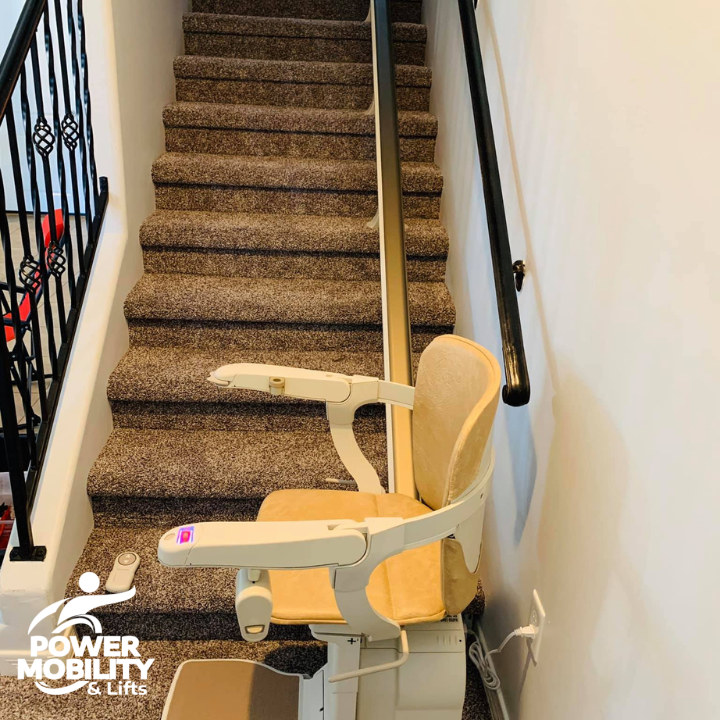
A stairlift typically needs professional maintenance once a year, although usage, age, and mechanical issues can affect how often service is needed. Regular service gives a technician an opportunity to check the lift’s mechanical, electrical, and safety components before smaller issues have a chance to interfere with everyday use. If your stairlift begins operating differently between scheduled visits, it may need attention sooner.
Most Stairlifts Should Be Professionally Serviced About Once a Year
For many stairlifts, professional maintenance about once a year is a practical starting point. However, the right maintenance schedule can depend on the specific model, manufacturer recommendations, how frequently the lift is used, and its overall condition.
A stairlift that carries someone up and down the stairs several times each day naturally experiences more wear than one used only occasionally. Older equipment may also benefit from closer attention as batteries, rollers, switches, and other components age.
The important thing is not to treat the annual service interval as a rule that prevents you from calling for help sooner. If something about the stairlift changes, such as its speed, sound, movement, or charging behavior, it is better to have the issue evaluated rather than waiting until the next scheduled maintenance visit.
What Happens During Routine Stairlift Maintenance?
Routine stairlift maintenance is more than a quick visual inspection. A technician can evaluate the parts that affect how the lift travels, stops, charges, and responds to its controls.
The exact maintenance process varies by stairlift model. Manufacturer specifications and the condition of the equipment can determine which components require inspection, adjustment, cleaning, or further testing.
Mechanical and Safety Checks
A stairlift contains several mechanical and safety-related components that work together every time the unit moves. During service, a technician may inspect the track, seat, swivel mechanism, footrest, armrests, fasteners, rollers, and other moving components as appropriate for the model.
Safety sensors and controls are also important. Stairlifts are designed to respond when an obstruction is detected or when certain components are not in the proper position. Checking these systems helps identify problems that may affect normal operation.
Technicians can also look for looseness, unusual wear, or changes that may not be obvious during everyday use. Catching these conditions early can help reduce the likelihood of an inconvenient interruption later.
Battery and Charging System Checks
Most modern stairlifts rely on rechargeable batteries, so battery condition is an important part of dependable operation. The batteries recharge when the stairlift is parked at a designated charging point or, on some systems, anywhere along the rail.
As batteries age, they may hold less charge. Charging contacts or other parts of the charging system can also develop issues that affect performance.
During maintenance, a technician can evaluate the batteries and charging system to determine whether they are operating as expected. This can be particularly important if the stairlift has started moving slowly, beeping, stopping unexpectedly, or having difficulty completing a trip.
Some Stairlifts May Need Attention More Often
Annual maintenance may be enough for many stairlifts, but the calendar should not be the only factor you consider. How the equipment behaves can tell you just as much about when service is needed.
A stairlift may need professional attention sooner when:
- It receives heavy daily use or has been in service for many years.
- New noises, rough movement, repeated warning signals, or error codes appear.
- The stairlift has recently required repairs or begins showing recurring operational problems.
- Battery performance or charging becomes less reliable.
A maintenance schedule should ultimately reflect the stairlift itself. If you are unsure about the appropriate interval, check the manufacturer’s recommendations for your model and discuss its condition and usage with a qualified stairlift technician.
Signs Your Stairlift Should Be Serviced Before Its Next Scheduled Visit
Stairlifts are designed to make moving between floors easier and more predictable. Because owners become familiar with how their equipment normally behaves, changes can be relatively easy to notice.
You do not need to diagnose the cause yourself. Instead, pay attention to changes and arrange service when something no longer seems normal.
The Lift Starts Moving Differently
A stairlift should provide consistent travel along its rail. If it begins hesitating, jerking, slowing down noticeably, stopping unexpectedly, or behaving differently from one trip to another, there may be a problem that requires inspection.
A change in movement does not automatically mean there is a major mechanical failure. The cause could involve several components, which is why professional troubleshooting is more useful than guessing or attempting adjustments yourself.
New Noises or Warning Signals Appear
You probably know the normal operating sounds of a stairlift you use regularly. New grinding, clicking, scraping, or other unusual noises deserve attention, especially when accompanied by changes in movement.
Beeping, warning lights, and error codes can also indicate that the stairlift has detected a condition requiring attention. Some alerts have simple explanations, while others may indicate a battery, charging, sensor, or mechanical issue.
Rather than repeatedly resetting or ignoring a recurring warning, have the stairlift checked if the problem continues.
The Stairlift Is Not Charging Reliably
Battery and charging issues can become particularly frustrating because the stairlift may work normally at first and then become increasingly unreliable.
You might notice that the lift moves more slowly, does not complete its normal number of trips, frequently signals a low battery, or fails to charge even when parked correctly.
Because charging problems can involve the batteries, contacts, power supply, or other components, a technician can help determine where the problem is coming from and what needs to be corrected.
Maintenance and Repairs Are Not the Same Thing
Stairlift maintenance and stairlift repair serve different purposes.
Routine maintenance is preventive. The goal is to inspect the equipment, evaluate wear, confirm normal operation, and address appropriate service items before they become more disruptive.
Repair becomes necessary when there is already a specific problem. For example, a stairlift that will not move, repeatedly stops, fails to charge, or has a malfunctioning component may need troubleshooting and repair rather than routine maintenance alone.
Waiting until the stairlift stops working entirely can be especially inconvenient when someone relies on it every day. Routine service does not guarantee that a stairlift will never need repairs, but it gives technicians a chance to identify developing issues and keep a closer eye on the condition of the equipment.
What Stairlift Owners Can Do Between Professional Service Visits
Professional maintenance should handle technical inspection and service, but owners can still take a few simple steps between appointments.
- Keep the stairs and rail area clear of objects that could interfere with the stairlift.
- Pay attention to changes in speed, movement, sounds, warning indicators, and charging behavior.
- Make sure the stairlift is returned to its proper charging position when required by the model.
- Follow the manufacturer’s instructions for basic cleaning and routine owner care.
Avoid taking apart components, changing mechanical adjustments, or attempting electrical repairs without the appropriate training. Stairlifts contain electrical, mechanical, and safety systems that should operate together according to the manufacturer’s specifications.
Why Regular Service Matters for a Stairlift You Depend On
For someone who depends on a stairlift to move between floors, reliability is not just a matter of convenience. A lift that unexpectedly stops working can disrupt routines and make parts of the home more difficult to access.
Regular maintenance provides an opportunity to evaluate the stairlift while it is still functioning instead of waiting for a complete breakdown. It can also help owners understand the condition of batteries and other wear-related components so they can make informed decisions about service and repairs.
The best approach combines scheduled maintenance with attention to how the stairlift behaves from day to day. Plan for routine professional service based on the manufacturer’s recommendations, and do not wait for the next scheduled visit if the lift begins showing signs of a problem.
Need Stairlift Maintenance or Repair in Phoenix?
If your stairlift is due for routine maintenance or is not operating the way it normally does, our team at Power Mobility & Lifts can inspect the equipment and determine what it needs. We provide stairlift repair and maintenance services for customers in the Phoenix area, with practical support focused on keeping the equipment you rely on working properly.
Call Power Mobility & Lifts to schedule stairlift service or request help with a stairlift that is showing signs of a problem.
